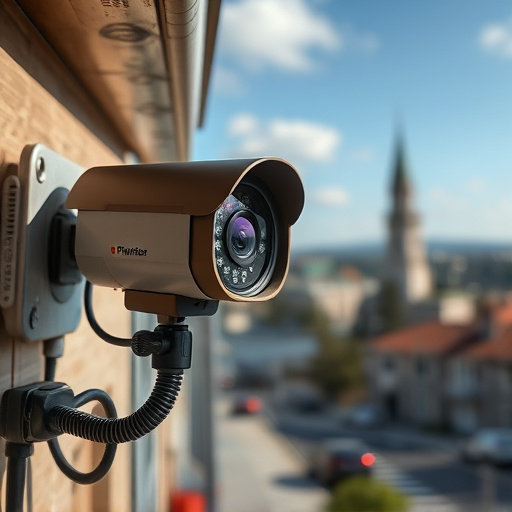
Night-time glint detection utilizes specialized equipment and algorithms to identify reflective surfaces, crucial for discovering hidden spy cameras with remote viewing capabilities in low-light conditions. Challenges include subtle glints blending with ambient light and dynamic factors like lighting changes. Advanced techniques employ image processing, computer vision, and machine learning to pinpoint glints, cross-reference known locations, and distinguish genuine signals from false positives. Spy camera technologies with remote viewing revolutionize real-time monitoring, enhancing security while conserving resources by eliminating constant on-site presence. Overcoming obstacles demands sophisticated strategies combining video feed analysis, enhanced imaging techniques, and remote viewing for effective neutralization in challenging environments.
In the realm of surveillance, a spy camera with remote viewing capabilities can provide invaluable insights. However, detecting glints in low-light conditions presents unique challenges. This article delves into the intricacies of night-time glint detection, exploring fundamental concepts and the challenges involved. We discuss advanced techniques for accurate glint location and confirmation, emphasizing the role of remote viewing in real-time monitoring. Additionally, we offer innovative strategies to overcome common obstacles, enhancing the effectiveness of spy camera systems.
- Understanding Night-Time Glint Detection: The Basics
- Challenges in Spy Camera Glint Identification
- Techniques for Accurate Glint Location and Confirmation
- Implementing Remote Viewing for Real-Time Monitoring
- Advanced Strategies to Overcome Common Obstacles
Understanding Night-Time Glint Detection: The Basics
Night-time glint detection is a critical aspect of enhancing security and surveillance, especially in low-light conditions. This method involves identifying and analyzing reflective surfaces or objects within an image captured by a camera, which can reveal hidden devices like spy cameras with remote viewing capabilities. By understanding how light interacts with these surfaces during nighttime, developers and researchers can create more advanced algorithms to detect subtle glints, ensuring better security measures.
The process begins with capturing high-resolution images using specialized equipment, such as low-light cameras or infrared sensors. These tools enable the camera to capture a broader spectrum of light, making it easier to identify even faint reflections. Once the images are acquired, sophisticated software algorithms analyze them by identifying distinct patterns and variations in lighting, allowing for the detection of unusual glints that might indicate the presence of hidden surveillance equipment. This technology is particularly valuable in scenarios where direct visual confirmation is challenging due to darkness or obstructed views.
Challenges in Spy Camera Glint Identification
The identification of spy camera glints, especially in low-light conditions, presents several challenges that researchers and security professionals must overcome. One of the primary difficulties is the subtle nature of these glints, which can often be indistinguishable from natural light reflections or other ambient sources, making their detection a complex task. The advanced capabilities of modern Spy Camera With Remote Viewing further complicate matters, as these devices are designed to operate discreetly and can produce nearly imperceptible visual cues.
Additionally, the dynamic nature of night-time environments adds another layer of complexity. Variables such as varying cloud cover, artificial lighting changes, and different surface reflectivities can all impact the visibility and behavior of glints, making consistent detection a challenging endeavor. These factors require sophisticated image processing algorithms and advanced computer vision techniques to accurately identify and differentiate between genuine spy camera reflections and false positives in real-time conditions.
Techniques for Accurate Glint Location and Confirmation
Accurate glint location is paramount in detecting hidden spy cameras, especially in low-light conditions. Advanced techniques leverage a combination of specialized sensors and image processing algorithms to pinpoint the exact source of reflections or ‘glints’. These methods include analyzing subtle changes in lighting patterns, using infrared or thermal imaging to detect heat signatures associated with electronic devices, and employing computer vision algorithms to identify characteristic shapes or patterns indicative of camera lenses.
Confirmation of a glint’s origin as a spy camera further enhances the process. This involves cross-referencing the detected glint with known locations of surveillance equipment or identifying unique optical signatures specific to Spy Camera With Remote Viewing devices. Advanced systems utilize machine learning models trained on extensive datasets of camera lens reflections, enabling them to distinguish genuine glints from false positives with high precision.
Implementing Remote Viewing for Real-Time Monitoring
Implementing Remote Viewing for Real-Time Monitoring
In today’s digital era, advancements in technology have made it possible to monitor activities remotely, thanks to devices like spy cameras with remote viewing capabilities. This innovative feature allows users to access live feeds from their camera lenses, providing them with real-time insights into what’s happening at a distance. With just a few clicks on their smartphone or computer, individuals can secretly observe and record events without being physically present.
This technology is particularly useful for security purposes, offering a discreet way to keep an eye on sensitive areas. Remote viewing enables efficient surveillance, eliminating the need for constant physical presence, which in turn conserves resources and provides enhanced privacy. Whether it’s for home security or professional monitoring, spy cameras with remote viewing capabilities are transforming the landscape of surveillance, making it easier than ever to stay informed and protect valuable assets.
Advanced Strategies to Overcome Common Obstacles
Overcoming obstacles in night-time glint detection requires advanced strategies, especially when dealing with covert surveillance challenges posed by spy cameras with remote viewing capabilities. One common hurdle is the reflection of light sources like streetlamps or moonlight on non-metallic surfaces, which can mimic the glint of a hidden camera lens. To combat this, specialized software algorithms are employed to analyze video feeds in real-time, identifying and filtering out these false positives based on unique light patterns and spectral signatures.
Another challenge is the limited visibility in low-light conditions, making it harder to distinguish between genuine lens glints and other reflective surfaces. Here, enhanced imaging techniques come into play, such as using infrared or thermal imaging to improve contrast and highlight temperature variations, aiding in the detection of hidden cameras that may be difficult to spot with the naked eye. Additionally, combining these methods with remote viewing capabilities allows for a more comprehensive approach, ensuring that potential spy cameras can be identified and neutralized effectively even in challenging environments.
The detection of camera lens glints during nighttime conditions, particularly from hidden spy cameras, is a complex yet crucial task. By understanding the basics and overcoming challenges through advanced techniques like remote viewing and sophisticated strategies, we can enhance surveillance capabilities significantly. Incorporating these methods into security protocols allows for more effective protection against covert surveillance devices, ensuring peace of mind in both public and private spaces. With the right tools and knowledge, staying ahead of hidden threats has never been easier, especially with the power of a spy camera with remote viewing capabilities.