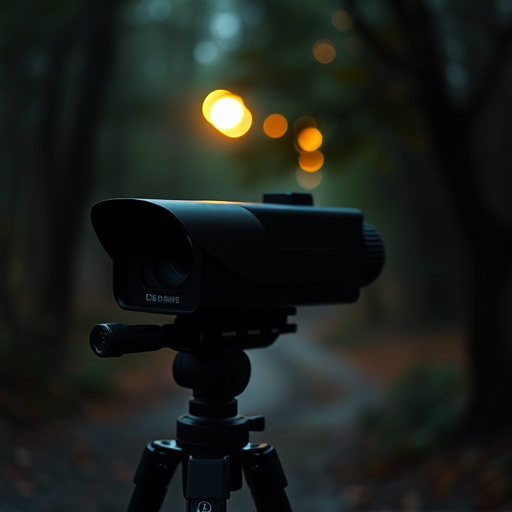
Modern spy cameras with remote viewing offer advanced surveillance via smartphone or computer, enhancing security with real-time video feeds. Discreetly placing these cameras behind mirrors allows for blend and two-way observation in high-traffic areas like hallways or bathrooms. However, ethical considerations regarding privacy and local laws on illegal surveillance must be carefully weighed before deployment.
Uncover the world of hidden surveillance with our guide on spy camera behind mirror location tips. In today’s digital era, understanding spy cameras equipped with remote viewing technology is paramount for both security and privacy. We’ll show you how to choose the perfect spot behind a mirror for optimal visibility without compromising aesthetics. Additionally, we explore ethical considerations to ensure responsible and discreet surveillance.
- Understanding Spy Camera with Remote Viewing Technology
- Choosing the Ideal Location Behind a Mirror
- Ethical Considerations for Discreet Surveillance
Understanding Spy Camera with Remote Viewing Technology
Modern spy camera technology has advanced leaps and bounds, especially with the integration of remote viewing capabilities. A spy camera with remote viewing allows users to monitor activities from a distance, providing real-time video feeds that can be accessed via smartphone or computer. This innovative feature is particularly useful for security purposes, enabling individuals to keep an eye on their properties or businesses remotely.
The setup process involves discreetly placing the spy camera behind a mirror, leveraging its reflective surface to blend seamlessly into the environment. With remote viewing technology, users can log in from anywhere to observe the area under surveillance, ensuring round-the-clock monitoring and peace of mind. This tech is a game-changer for those seeking covert observation solutions without compromising on quality or accessibility.
Choosing the Ideal Location Behind a Mirror
When selecting the perfect spot for your spy camera behind a mirror, consider areas with high foot traffic or those offering a clear view of sensitive spaces. Mirrors are ideal as they provide a two-way surveillance option; you can observe activity while remaining hidden. Look for mirrors in common areas like hallways, bathrooms, or even wardrobes—places where people naturally pause or have private moments.
The convenience of a spy camera with remote viewing capabilities becomes invaluable here. You can position the device discretely behind the mirror and access real-time footage from afar, ensuring you capture the desired activity without interference. This technology allows for subtle yet effective surveillance, making it an excellent choice for enhancing security or gathering evidence in various settings.
Ethical Considerations for Discreet Surveillance
While the allure of a spy camera behind a mirror for discreet surveillance is tempting, it’s crucial to navigate this practice with ethical considerations in mind. Installing such a device raises privacy concerns, as it can invade personal and domestic spaces without explicit consent. In many jurisdictions, illegal or unwarranted surveillance is a violation of civil liberties, so understanding local laws is paramount before even considering this route.
Additionally, the use of a spy camera with remote viewing capabilities must respect individual rights to privacy. Placement behind a mirror, designed to go unseen, can create an atmosphere of mistrust and damage relationships, whether at home or in professional settings. As such, it’s essential to weigh the benefits against potential consequences and consider alternative methods that align with ethical surveillance practices.
A spy camera behind a mirror can offer a discreet and effective surveillance solution, leveraging remote viewing technology to its advantage. When selecting the perfect location, consider factors like angle of view, clarity of image, and minimal disruption to daily routines. However, it’s crucial to balance these benefits with ethical considerations, ensuring privacy respect and compliance with legal guidelines, especially when implementing such a device in residential or commercial spaces.